Spine
Trauma



+ 1
Information
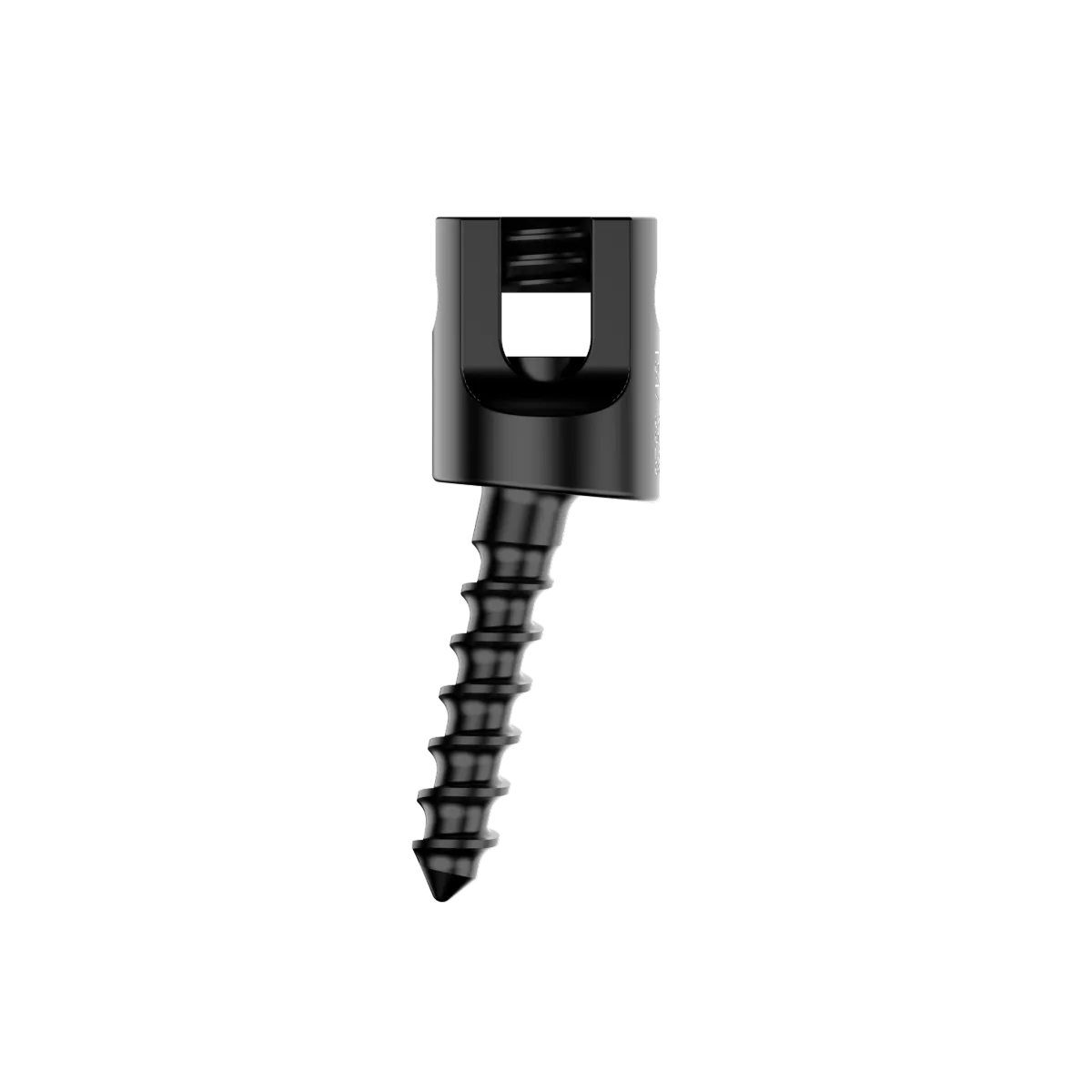
Spine implants are specialized orthopedic devices used for the stabilization, alignment, and correction of spinal disorders, injuries, and deformities. In general orthopedic and neurosurgical practice, spine implants play a vital role in the treatment of conditions such as spinal fractures, degenerative disc disease, spondylolisthesis, scoliosis, kyphosis, spinal stenosis, and spinal instability. These systems are designed to restore structural integrity, neurological safety, and functional mobility of the spine.
Spine implant systems typically include pedicle screws, rods, plates, hooks, cages, and interbody fusion devices, which work together to provide rigid fixation and controlled spinal fusion. Pedicle screw and rod constructs are commonly used for posterior stabilization, while cages and spacers support anterior and interbody fusion procedures by maintaining disc height and promoting bone growth between vertebrae.
These implants are manufactured from high-grade titanium alloys, cobalt-chromium alloys, and PEEK (polyether ether ketone) materials, offering excellent strength, biocompatibility, fatigue resistance, and imaging compatibility. Advanced surface treatments and porous coatings enhance osseointegration and long-term stability, improving fusion success rates.