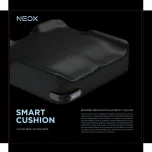
NEO X - preventing bedsore decubitus, electric smart cushion

NEO X - preventing bedsore decubitus, electric smart cushion

Rehabilitation Equipment, Devices
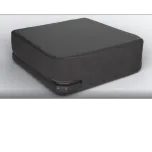
NEO X - preventing bedsore decubitus, electric smart cushion

Information

Technology moves, people live. When the body cannot—or should not—move first, NEOABLE’s technology moves instead and keeps life flowing. That belief powers everything we build. NeoX is an electric cushion designed for wheelchair users and the elderly to prevent bedsores. By moving, utilizing pressure-removing offloading technology, it automatically distributes and circulates body pressure. This is a verified medical device electric cushion that has undergone rigorous testing in Japan for six months, and finally signed an export contract (worth 3.5M USD) with Japan in 2025, and is currently being exported to Japan. Neoable's signature patented technology, in which 30 air cells are divided into three zones and move like waves, provides an excellent function in distributing the user's pressure. PU foam (polyurethane) maintains and supports the user's sitting posture to ensure stability. The use of mesh finishing materials is excellent for air circulation and ventilation. The dual structure of the air cells allows for excellent technology in which 10 air cells achieve a perfect offloading effect, while 20 air cells support and distribute pressure. The basic mode is a mode in which the air cell adjusts the amount of air and discharges and injects every 15 minutes. In the automatic mode, the air cells automatically distribute pressure every 155 minutes, and offloading and body pressure circulation using automatic wave technology are performed. When used in basic mode, the air volume can be adjusted to high or low, and there is a function that notifies the user when the pressure difference between the left and right air rooms is 20% or more for more than 10 minutes. It can be used for more than 48 hours in basic mode with a single 4-6 hour charge, and about 8 hours in automatic mode. Neoable have the CE and certification of ISO 13485 as medical device manufacturer.

NEOABLE CO., LTD.S5.A76NEOABLE is built upon the core principle of “Moving Technology for Care,” offering a breakthrough alternative to conventional static medical products. The company’s core devices —NEOX (smart electric cushion), NEO-M (AI-powered mattress), and NEOSONIX (vibration therapy device) —utilize automated pressure redistribution and sensor-based response systems, making them ideally suited for aging societies and rehabilitation-focused medical facilities. The business model goes beyond traditional hardware sales. It follows a phased pathway of clinical validation → insurance integration → institutional procurement, enabling a hybrid B2B+B2G model. With proven compatibility for institutional markets such as Japan’s Kaigo insurance system, European hospital purchasing structures, and public tenders in the Middle East, NEOABLE is positioned for scalable impact. Strengths - Proprietary “Moving-Tech” platform offering real-time, responsive pressure relief - Certified (CE, ISO13485) and proven in regulated markets (e.g., Japan), Clear clinical differentiation from passive competitors (ROHO, JAY) - Hybrid business model (B2B + B2G) adaptable to hospital, insurance, and government channels - Strong early traction: 3.7M USD Japan contract, pilot tests in UAE & Saudi Arabia Weaknesses - Limited brand awareness in non-Asian markets (e.g., Europe, Middle East) - Capital-intensive scaling model (AI/motorized products require more production resources) - Product localization (language, regulatory, insurance systems) needed per region Opportunities - Global aging population fueling demand for ulcer prevention and elderly care solutions - Rising public health investments in GCC countries and Southeast Asia - Entry into insurance-backed systems (Kaigo, EU DRG, Middle East’s e-claims) Threats - Price-sensitive procurement markets may favor low-cost static competitors - Market entry dependent on regulatory approvals and pilot outcomes - Geopolitical instability or policy shifts in emerging regions (e.g., Middle East tender cycles), Risk of low-cost imitation in low-barrier regions

Log in

See all the content and easy-to-use features by logging in or registering!