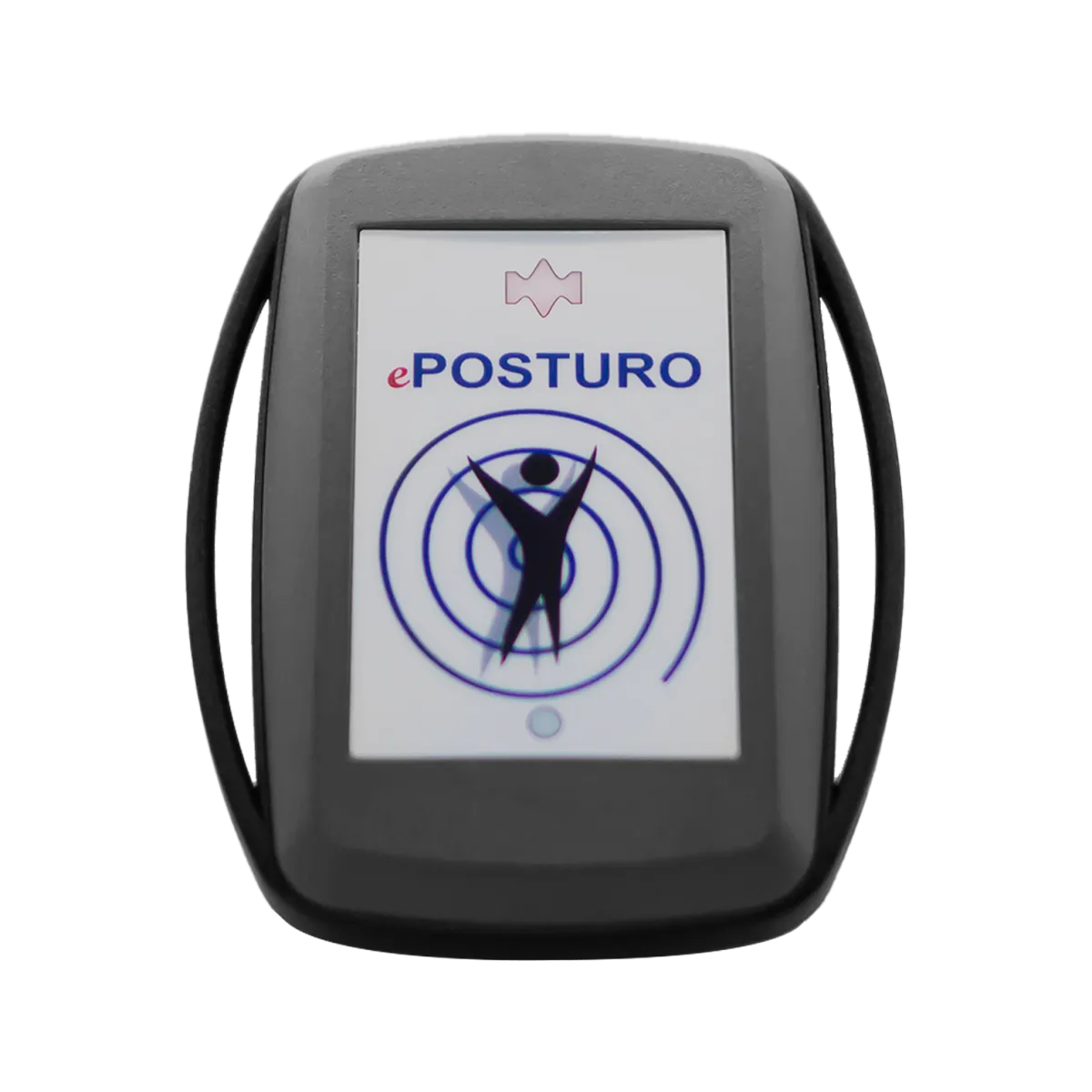
ePOSTURO / eVEMP USB
ENT Diagnostics
Information
ePOSTURO - Computerized static Posturography
Posturography is a general term that covers all the techniques used to quantify postural control in upright stance in either static or dynamic conditions. Among them, Computerized dynamic posturography (CDP), also called test of balance (TOB), is a non-invasive specialized clinical assessment technique used to quantify the central nervous system adaptive mechanisms (sensory, motor and central) involved in the control of posture and balance, both in normal (such as in physical education and sports training) and abnormal conditions (particularly in the diagnosis of balance disorders and in physical therapy and postural re-education). Due to the complex interactions among sensory, motor, and central processes involved in posture and balance, CDP requires different protocols in order to differentiate among the many defects and impairments which may affect the patient's posture control system. Thus, CDP challenges it by using several combinations of visual and support surface stimuli and parameters.
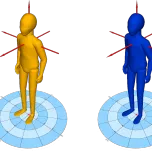
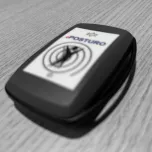
The ePOSTURO system allows the static and dynamic posturography (Romberg-quotient, CoG) and an automatic Unterbergs stepping test to be carried out. It can be done with the eVNG/eHIT mask or with a mobile sensor with bluetooth interface.
eVEMP USB - Vestibular Evoked Myogenic Potentials (c- and oVEMP)
The cVEMP test measures and analyzes the vestibular evoked myogenic potentials produced by a loud stimulus in the ipsilateral ear. During the
derivation, the patient must contribute to the contraction of the sternocleidomastoid, e.g. by pressing the head against the palm. The cVEMP
ratio (difference left to right derivative) is calculated automatically. The cVEMP test is a functional test of the otolithic organ and is used for testing the
operation of the saccule. It also provides an indication of the function of the nervous equilibrium (N. saccularis).